Storm Damage Roofing in Meridian, Idaho
Wind and hail bruise tabs and strip granules. We quote the roof. The carrier is your conversation.
Free estimate.
- Free estimates
- Treasure Valley
- Local crew
- One number
This job covers
- Wind-driven rain at gables and rakes
- Hail bruising on laminate tabs and metal pans
- Emergency dry-in after a blown field
- Adjuster photos versus a full square count
Storm Damage Roofing in Meridian, Idaho
Meridian Quality Roofing handles a storm damage roof in Meridian after valley wind, wet snow, or hail marks the field. Lifted tabs, creased corners, missing ridge, and granule piles in the gutter are the usual map. Insurance is your policy. We quote the roof.
Call (208) 759-1550 with the town, the date of the cell if you know it, and whether a plane is open. Dry-in comes first when the deck is exposed.
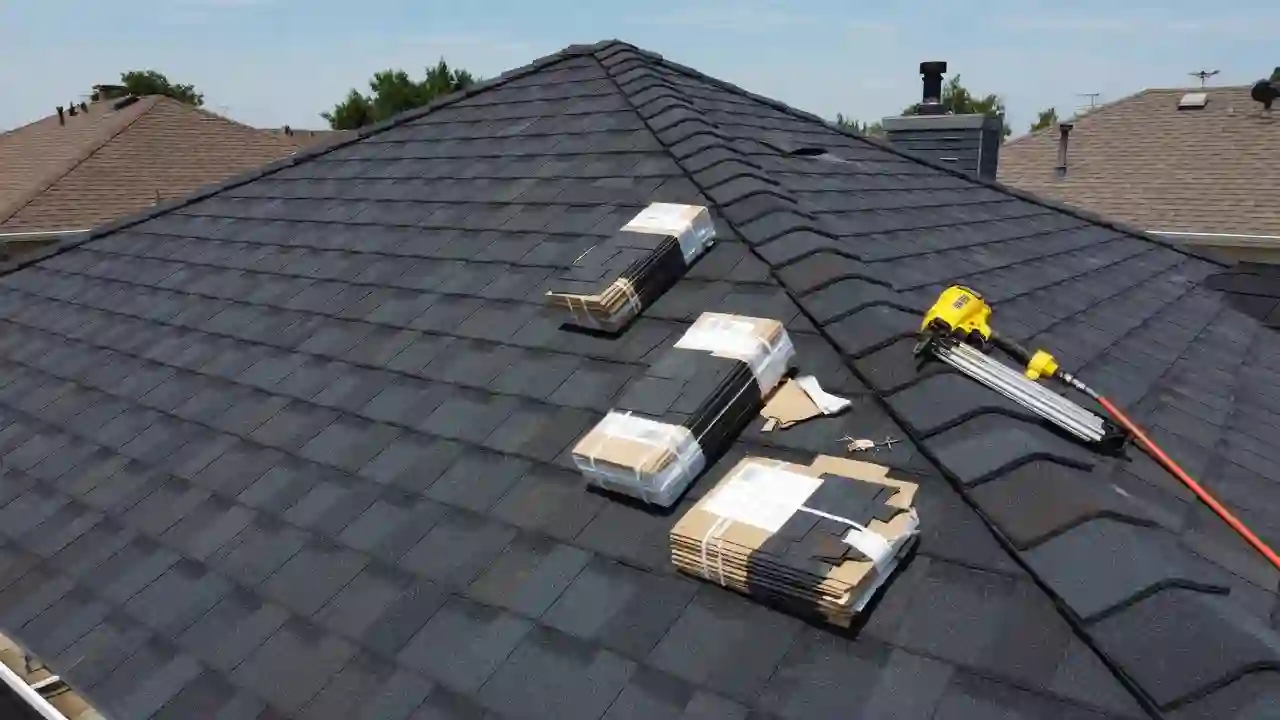
Storm Damage Roofing Options for Meridian Properties
Wind-driven rain at gables and rakes
West and south gables take the valley wind. Tabs crease, nails back out, and rain drives under the field. We photograph the lift, then reseat or replace the courses that failed. A whole-house wind claim is a square count, not a guess from the street.
Hail bruising on laminate tabs and metal pans
Hail hits leave a dark bruise in the mat and a granule splash. On metal they dent pans and knock coatings. We mark hits on several slopes, not just the easy front. Soft metal bruises easier than a thick laminate. The material decides the repair.
Emergency dry-in after a blown field
A missing plane cannot wait for a claim file. We tarp or felt the opening, weight it, and keep water off the deck. That visit is a dry-in, billed as such. The replacement of that plane is a second scope.
Adjuster photos versus a full square count
Photos from the driveway miss the back hip. We walk, count, and write squares and penetrations. If you want that packet for your carrier, say so. We still do not speak for the carrier.
How We Handle Storm Damage Roofing in Meridian
- We dry-in any open deck first. Interior buckets are not a roof plan.
- We walk all planes, ridges, and flashings. We note wind lift versus hail bruise versus wear that was already there.
- We photograph and count squares. Wear that predates the cell gets named so the scope stays honest.
- We write repair versus replacement. A few creased tabs are a repair. A bald south field with hits in every square is a replacement talk.
- You decide on the bid and on your claim. We schedule the work you accept.
Materials and Methods
Storm work uses the same ASTM D3462 laminates, pipe boots, ice-and-water, and drip as a normal reroof when the field comes off. Tarps, 2x4 battens, and cap nails are the dry-in kit. We do not use roof cement as a hail repair. A bruised mat stays bruised under a smear.
Storm work still uses glass-felt shingles that meet ASTM D3462, a UL 790 Class A fire listing, D7158 wind class as the wrapper prints, ASTM D1970 at eaves, and a metal drip edge. Lifted tabs, broken seals, and creased laminates are the wind list. Hail bruises show as granule loss to the mat. We document, then repair or replace. We do not call cosmetic granule drop a hole. Valley metal that folded is flashing, not a field shingle.
Documentation is slope photos, close-ups of bruises, and a line-item scope. Moisture in the attic after a cell is part of the look. Wet insulation is a different trade. We flag it. We do not demo interiors.
What Storm Damage Roofing Costs in Meridian
Fixr publishes wind repair at $250 to $6,500 and hail repair at $700 to $4,000. When the field is spent, replacement follows Fixr's $7,500 to $14,000 national band, Angi's $5,902 to $13,376, and Thumbtack's $5,164 to $17,477. Deductibles and coverage are your policy. We quote the roof. Call after the cell, or during it if a plane is gone.
Valley wind here is not a hurricane catalog. It is a west or south rake that peels, then rain that follows. Hail cells are patchy. One street can be bruised and the next street clean. We walk your planes, not the neighbor's Facebook photos. Wet snow can fold a cheap ridge and load a low pitch. That is storm work even without lightning. A tarp that flaps and slaps the remaining tabs can do more harm than the cell. We weight and batten a dry-in so it stays. You still need the real repair. The tarp is time, not a roof.
Storm cells, valley wind, and Meridian roof fields
Storm damage on Meridian roofs is usually valley wind, wet snow, or a patchy hail cell, not a coastal catalog event. West and south rakes peel first on architectural production fields. Tabs crease, nails back out, and rain follows under the lift. Hail bruises the mat and knocks granules into gutters and valleys. Soft metal on a shop dents easier than a thick laminate. One street can be bruised and the next street clean, so we walk your planes, not a neighbor's photos.
Freeze-thaw after a wet snow can fold cheap ridge and load a low pitch even without lightning. That still counts as storm work when the field opened or the ridge failed. Emergency dry-in comes first when a plane is missing. A tarp is a pause so the deck does not take rain. The repair or replacement bid follows once we can count squares safely. Ice on a steep morning delays feet on the roof. That delay is safer than a fall.
Insurance is your policy. We document lifts, bruises, and wear that predates the cell so the scope stays honest. We do not chase claims or promise a payout. Architectural shingles on plats and metal on shops need different photos and different repair kits. Say the material when you call after the cell.
Call (208) 759-1550 with the town, the date of the weather if you know it, and whether any plane is open. Dry-in leads when the deck is exposed.
Questions
Do you work with my insurance on a storm damage roof?
You own the policy. We document the field with photos, a square count, and a scope. You file. We do not chase claims or promise a payout. If the carrier wants its own look, that is between you and them.
Wind or hail: how do you tell on shingles?
Wind lifts tabs, creases them, and peels rakes. Hail bruises the mat and knocks granules into the gutters and the valley. Both can show on the same roof after a spring cell. We mark both. We do not stretch one into the other.
Can you tarp a blown-off plane the same day?
When access and weather allow, we dry-in a missing plane so the deck does not take rain. A tarp is not a repair. It is a pause. The repair or replacement bid follows once we can walk the rest of the field.
What do guides say storm repairs cost?
Fixr lists wind damage repair at $250 to $6,500 and hail work at $700 to $4,000, depending on how much field is bruised. A full replacement then follows the national replacement bands from Angi and Thumbtack. Name the town and the job when you call.
Should I wait for an adjuster before you walk?
You can. You can also have the field documented first so you know the squares. We do not start a tear-off on a claim until you say the number and the scope are yours to accept. Emergency dry-in after a blown field A missing plane cannot wait for a claim file.
Why document wear that predates the storm?
So the scope stays honest. Bald south planes and cooked valleys may already have been due. We mark wind lift and hail bruise separately from age. You and your carrier decide coverage. We quote the roof we see. Name the town and the job when you call.
Is wet snow without hail still storm damage work?
It can be. Wet snow loads low pitches, folds weak ridge, and opens paths that freeze-thaw then drives under tabs. If the field opened or the ridge failed in that weather, we treat it as storm scope and dry-in first when needed.
Ready for a roofing estimate in Meridian?
Replacement, repair, storm. Free estimate, no obligation.